

Introduction
The War Within expansion takes players deep into the subterranean heart of Azeroth, revealing new battlegrounds shaped by forgotten forces. While players explore these areas in-game, the vision for these zones starts long before they are rendered in 3D. Concept art plays a crucial role in defining the tone, architecture, and emotional feel of each battleground. Artists begin by sketching environments that capture the expansion’s core themes—claustrophobia, ancient decay, and buried power. In this article, we’ll explore how Blizzard’s art team created the striking visual identity of the Inner Battlegrounds, from their first pencil lines to the final glowing caverns we fight in today.

Setting the Mood: Light and Shadow
One of the key challenges for the artists was capturing the right atmosphere. These zones had to feel dangerous but not oppressive, mysterious but readable in combat. Artists used dramatic contrasts between light and shadow to suggest hidden threats, ancient energy sources, and emotional tension. Areas like Hollowforge and The Veiled Deep feature soft, pulsing illumination coming from crystals, fungi, and magical rifts. Shadows play a tactical role too—designers ensured that terrain lighting wouldn’t obscure enemy spell effects or telegraphs. Achieving this balance meant experimenting with multiple lighting passes and color palettes, each refining the player’s sense of depth and direction underground.
Designing Biomes Below Azeroth
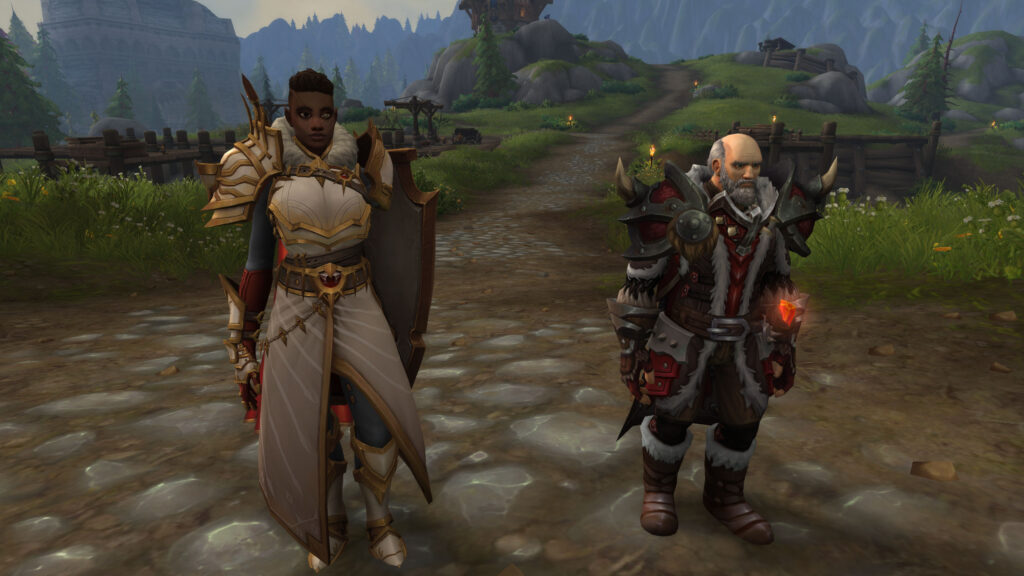
Concept artists crafted distinct underground biomes, each with its own texture, vegetation, and ruin style. Unlike surface zones, which rely on open skies and large vistas, underground battlegrounds focus on vertical layering and confined density. The fungal caverns of Murkspire were inspired by real-world caves in Southeast Asia, while Hollowforge drew from dwarven motifs with molten cores and anvils built into cliffs. Early sketches included heavy use of stalactites, collapsed bridges, and bioluminescent fauna. These details were critical not just for immersion but also for guiding players during combat, helping orient them in fast-paced skirmishes.
- Murkspire – Fungal and spore-heavy tunnels
- Hollowforge – Dwarven ruins with molten rivers
- The Veiled Deep – Titan-tech fused with void energy
- Cradle of Whispers – Overgrown temple with echo chambers
Iteration Through Player Feedback

Blizzard’s concept design process didn’t happen in a vacuum. During beta testing, feedback from players helped refine visuals that were initially too dark or too cluttered. Some areas saw updates in rock texture or landmark size to make PvP engagements more readable. In particular, the first pass of the Cradle of Whispers included visual noise that distracted from player animations, which the team later toned down. Artists created visual landmarks—like glowing statues or broken titan obelisks—to help players navigate intuitively. This iterative loop between art and gameplay ensures not just beautiful zones but functional ones that support competitive play.
Final Render: From Concept to Combat
Once the concept art was locked, environment teams translated it into fully playable maps using the latest tools in Blizzard’s engine. Artists collaborated closely with level designers to ensure layouts supported battleground mechanics such as control points, flanking routes, and safe rezzing zones. Texture artists added subtle storytelling elements, like claw marks on stone or collapsed tunnels, suggesting battles long past. By the time players entered these zones, every corner was intentionally crafted to evoke curiosity and tension. While the concept art often begins in 2D, its final purpose is to fuel unforgettable combat experiences.
| Zone | Art Theme | Notable Feature |
|---|---|---|
| Hollowforge | Dwarven Industrial | Molten bridge controls |
| Murkspire | Fungal Caves | Spore geysers |
| Cradle of Whispers | Temple Ruins | Echo-driven acoustics |
Conclusion
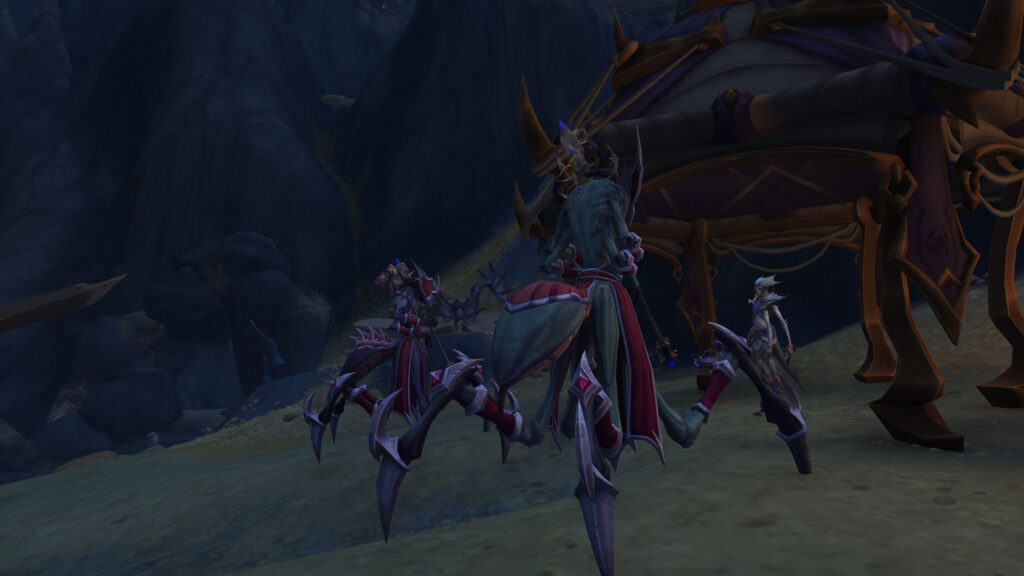
The Inner Battlegrounds of *The War Within* are more than just combat zones—they’re fully realized works of visual storytelling. Concept artists brought each one to life with vision, research, and player-centered design. These zones reflect a delicate balance between form and function, beauty and danger. Whether you’re charging through the Veiled Deep or skirmishing atop Hollowforge’s platforms, know that every rock, light beam, and ruined statue started as an idea on an artist’s desk. Their imagination turned Azeroth’s depths into a battlefield worth exploring.